Spectrum News 1: What proposed federal changes to Head Start program could mean for local families
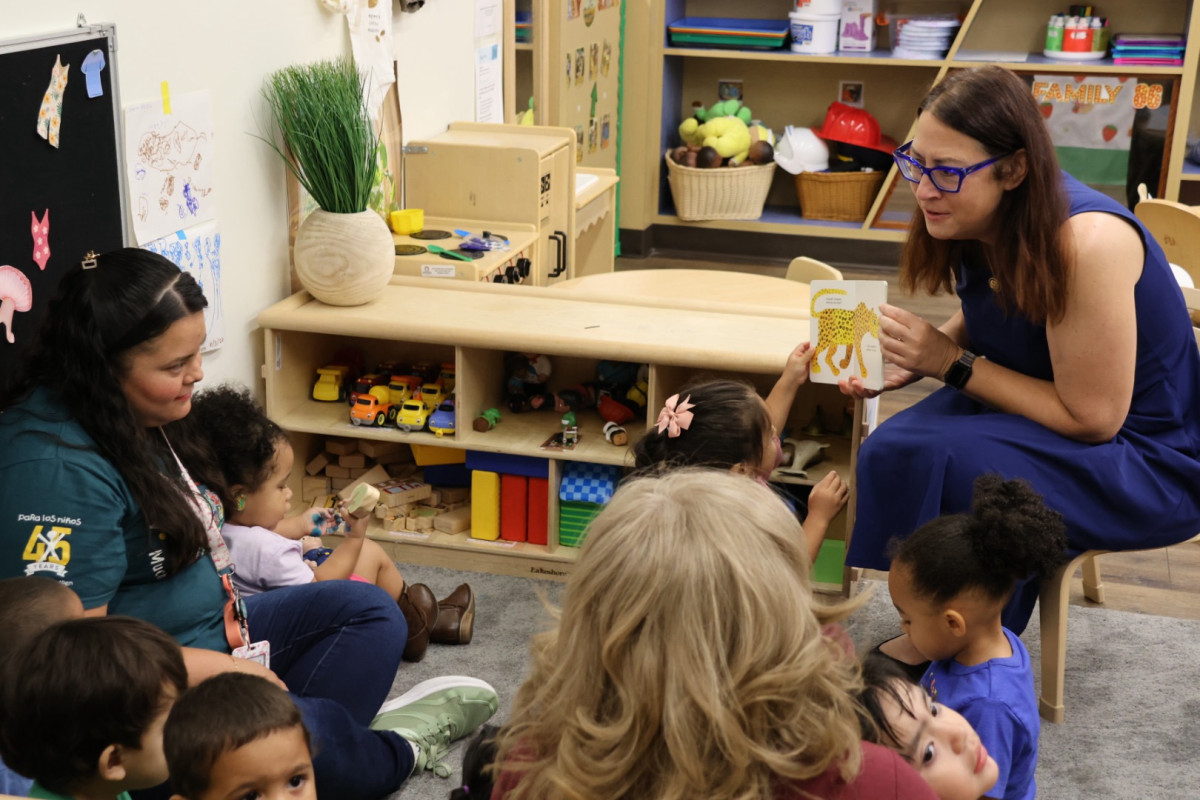
LOS ANGELES — For the children inside the Para Los Niños’ Head Start site in Hollywood, the days are business as usual: learning, playing and sitting down for a meal.
But the future of the federal program could look very different, as the U.S. Department of Health and Human Services has proposed to roll back or eliminate some of the federal program's regulations.
In California, there are about 70,000 children enrolled in a Head Start and Early Head Start programs for kids as young as 6 months up to 5 years old. Since it began in the 1960s, the program has been ruled by a strict set of regulations aimed at helping low-income families. On top of the educational component, the program provides nutrition, physical health, and mental health services, which is key as just at this location in Hollywood, 58% of the children enrolled qualify as unhoused.
The federal government said the proposed changes would give local authorities more flexibility, but the language worries Luis Bautista, CEO of the Head Start programs under the Los Angeles County Office of Education.
“There is language in the proposed bill making that it will actually make it harder for families that are experiencing homelessness to qualify. And so we believe that, you know, we should be reducing burdens and not adding more burdens to families, whatever their circumstance may be,” said Bautista.
Among the items that would change are classroom sizes, by allowing more students to a single teacher, the proposal expects to cut 13% of teachers.
“When you arbitrarily increase class sizes, you do away with the capacity for us to work one on one of the children in the way that we know works,” said Bautista.
Proposed changes would also require that all education be conducted in English and would reduce the amount of required instructional hours.
The federal document acknowledges the changes could affect how families arrange childcare, although these impacts are not quantified in the analysis.
Meanwhile, the research-based curriculum, nutritional meals, and health screenings will stay in effect, although the federal government would no longer regulate how programs meet these requirements.
“We are removing unnecessary bureaucracy, strengthening nutrition and physical health, trusting parents and local communities, and opening Head Start to hundreds of thousands more children. That’s how we renew the promise of Head Start for the next generation,” said Secretary of the Department of Health and Human Services Robert F. Kennedy Jr. in a statement.
They predict it would increase the number of slots by as much as 200,000 and save $2.2 billion.
But many Democrats don’t believe this is the right move.
Rep. Laura Friedman, D-Calif., visited the Head Start program in Hollywood to meet with staff, teachers and parents, and says seeing the services firsthand is why she’s concerned about the proposed changes.
“I signed on to a letter to say, ‘Don’t radically increase class sizes, don’t get rid of the qualifications for the people that are taking care of the kids. That’s not the place to save money,’” said Friedman.
A 60-day comment period has now begun for input on these changes, which Bautista said they are putting together to submit for consideration.